
Celebrity Brand Endorsements in India: Choosing the Right Fit and Making the Association Work
A celebrity endorsement can be a significant investment for a brand. The decision, therefore, begins with choosing the right celebrity – not simply the most popular one. How well a celebrity connects with the target audience, how their public image aligns with the brand’s positioning, and how effectively they can convey the message the brand wants to communicate are all important considerations. Relevance and the right fit ultimately determine how meaningful an association can be.
But selecting the right face is only the starting point. The structure of the agreement, the rights being acquired and the cost of activating the campaign all influence the value of the association.
In practice, two endorsement deals involving celebrities of comparable popularity can have very different commercial structures. Equally, a celebrity with a smaller following may prove to be a more relevant choice if their public image, credibility or area of expertise aligns closely with the product.
Drawing on our experience in celebrity and talent engagements, here are some of the commercial considerations and practical nuances brands should understand before entering into a celebrity endorsement agreement.
1. Celebrity Endorsements Are More Than Just Advertising
Most people think a celebrity endorsement is simply a celebrity appearing in an advertisement. In reality, brands are purchasing a bundle of commercial rights. It is acquiring the right to use the celebrity’s name, image and likeness to promote its products or services under agreed terms.
A typical endorsement agreement may run for one or two years and include a defined number of shoot days, media usage rights, territory restrictions and category exclusivity. The precise structure depends on the brand’s requirements and the deliverables negotiated.
Several aspects of these agreements deserve closer attention.
Usage rights and territory: The contract specifies where and how the brand can use the campaign material. Rights may cover India, selected regional markets or international territories. Media rights may typically include television commercials (TVCs), print, digital advertising, outdoor media and other platforms however sometimes a deal can exclude certain platforms that the brand does not intend to use and in such cases it can potentially ( not necessarily) reduce the remuneration.
Shoot days and additional deliverables: An agreement may include one shoot day, or more if the campaign requires multiple creative concepts or simply multiple themes of TVCs and/or print. A celebrity appearance at a dealer meet, distributor conference or channel partner event may also be included, or negotiated additionally to include in the deal . Social media posts and campaign amplification can similarly form part of the package or attract additional fees.
A celebrity shoot day is commonly structured around an eight-hour working schedule, excluding the lunch break, subject to the agreed contract and production arrangements. Additional working time or days may involve further costs.
Renewals without fresh shoots: One lesser-known aspect of endorsement agreements is that a brand may renew its association for another year or two without requiring any new shoot or appearance. In such cases, the renewal fee may primarily cover the continued right to use existing campaign material and the celebrity’s image under the renewed terms.
Category exclusivity: Endorsement contracts commonly restrict celebrities from promoting competing brands within a defined product category during the agreement period. However, the commercial implications can extend beyond the contract itself. Even after exclusivity expires, competing brands may hesitate to engage the same celebrity because consumers continue to associate that person with the previous brand.
The scope of exclusivity, the definition of competing products and the duration of the restriction therefore deserve careful negotiation.
These distinctions matter because the endorsement fee reflects not just the celebrity’s time, but also the commercial rights granted and the obligations undertaken during the contract period. The association can also have implications beyond the contract term, as competing brands may be cautious about engaging a celebrity who has recently represented a brand in the same category.
2. Beyond the Celebrity Endorsement Fee: Budgeting for the Complete Campaign
When planning a celebrity brand endorsement, brands must recognise that the celebrity’s endorsement fee is only one component of the overall investment. To maximise the value of the association, adequate budgets must also be allocated towards production, associated expenses and media amplification.
Here are some important cost considerations:
Celebrity Endorsement Fee
The fee depends on the celebrity’s popularity, brand relevance, duration of association, exclusivity, deliverables, geographical territories and media usage rights.
Creative development and production: Brands must separately budget for creative conceptualisation usually done by ad agencies, production of TV commercials, digital films, photography, print campaigns and other requirements.
An important consideration is that many leading Indian celebrities prefer working with a select panel of directors, Directors of Photography (DOPs) and other creative professionals. Celebrity endorsement agreements commonly include provisions requiring the celebrity’s prior approval of key professionals involved in shoots featuring them. These preferences and approval requirements can influence production costs and should be factored into the planning process. It’s common that a celebrity may give the brand only a few choices of creative professionals like Directors, DOPs to choose from.
Celebrity entourage and associated expenses: Depending on the celebrity and contractual terms, most commonly the brand needs to cover makeup artists, hairstylists, stylists, personal staff, travel, accommodation, local transportation and hospitality ( applicable if the shoot is outside the base city of the celebrity) . Certain professionals that the celebrity is comfortable working with or has a preference for or regular works with are nominated by the celebrity, with their fees commonly billed separately as a standard practice from the endorsement fee.
Media buying and amplification: Engaging a celebrity and producing a compelling campaign is only half the equation. Brands must allocate sufficient budgets towards television airtime, digital advertising, print, outdoor and other media channels to ensure adequate visibility and frequency.
As a broad planning thumb rule, brands may consider a media amplification budget of approximately 3-5 times the celebrity endorsement fee for a substantial multi-channel campaign. This is an illustrative benchmark, not a fixed industry standard, and actual requirements can vary significantly depending on the campaign’s scale, duration, target audience and objectives.
The Key Takeaway
A common mistake is allocating a disproportionate share of the marketing budget towards securing a celebrity, leaving insufficient resources to leverage the association effectively.
The goal should not simply be to engage the biggest celebrity the brand can afford, but to select the right celebrity while retaining adequate budgets for production, associated expenses and meaningful campaign amplification.
A well-planned celebrity endorsement balances all these investments to maximise brand visibility, recall and return on investment.
3. Why Celebrity-Brand Alignment Matters More Than Popularity
The best celebrity for a brand is not always the biggest celebrity.
A celebrity’s popularity can generate attention, but attention alone does not guarantee that the brand message will resonate. The more important question is whether the celebrity’s image, credibility and audience appeal reinforce what the brand wants to communicate.
Consider a few examples that illustrate different approaches to celebrity selection.
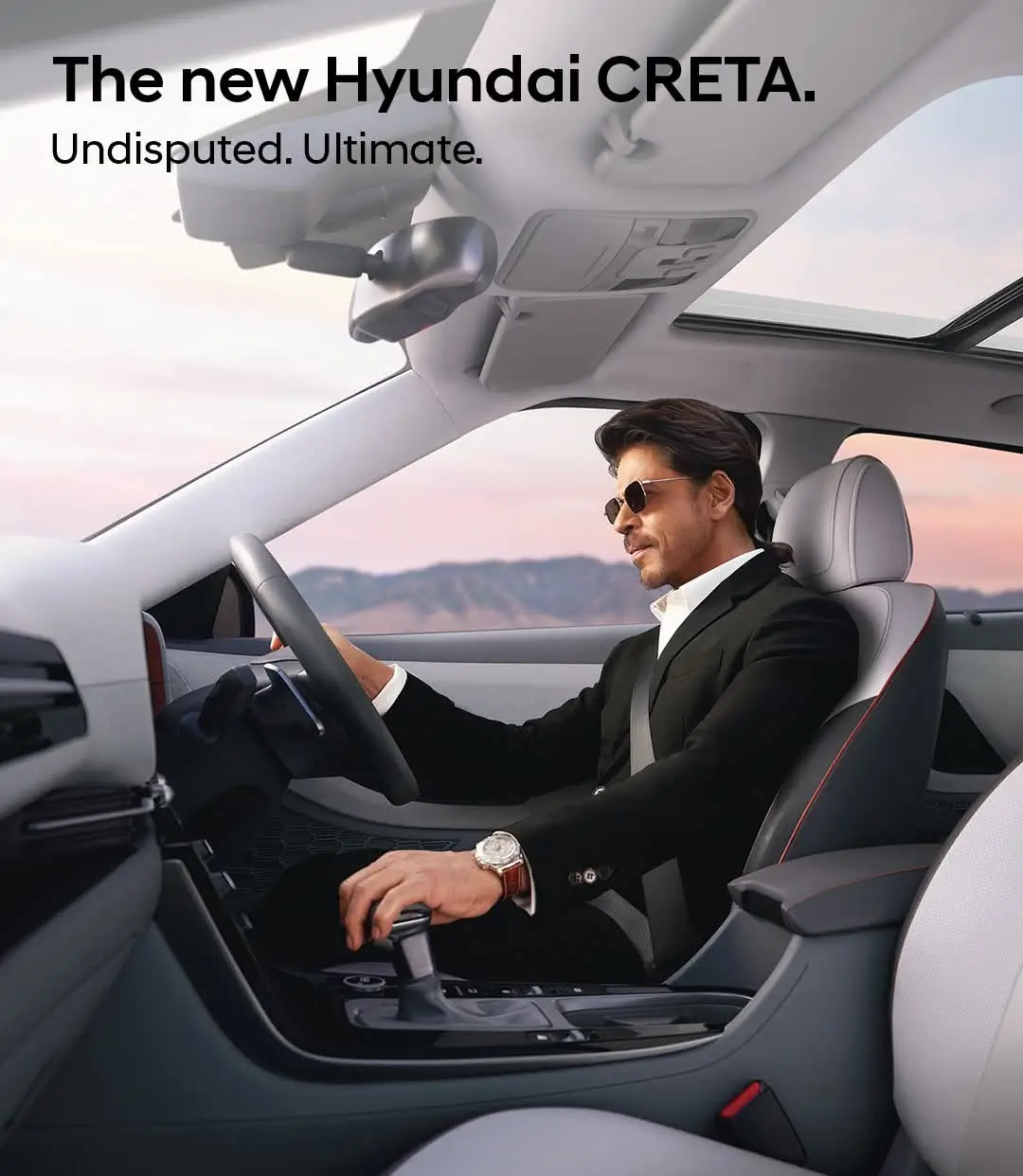
Shah Rukh Khan and Hyundai: The value of longevity
Shah Rukh Khan has been associated with Hyundai since 1998, when the company appointed him as a brand ambassador. The partnership has endured across multiple product launches and campaigns, making it a notable example of long-term celebrity-brand association.
The broader lesson is that a sustained association can build familiarity and continuity over time. Rather than treating every campaign as an isolated endorsement, a brand can build a recognisable identity around a consistent ambassador.
Pankaj Tripathi and SBI General Insurance: Trust and relatability
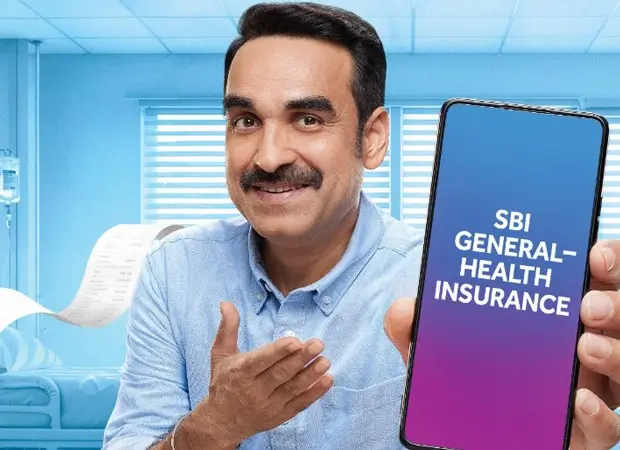
In March 2026, SBI General Insurance announced Pankaj Tripathi as its brand ambassador for the Chuniye Bharosa, Apno Sa campaign. The insurer explicitly connected his relatable persona with its positioning around trust, simplicity and dependability.
This illustrates the importance of perceived personality in a trust-led category. A celebrity does not need to project glamour or aspiration to be effective; a sense of familiarity and reassurance may be more relevant to the brand’s objective.
The common thread: The value of an endorsement lies not simply in the celebrity’s popularity, but in how effectively their public image supports the brand’s communication objective.
Alignment in Practice: Lessons from our Endorsement Campaigns
Our own endorsement engagements illustrate how the choice of celebrity can vary significantly according to the product category and the communication challenge.
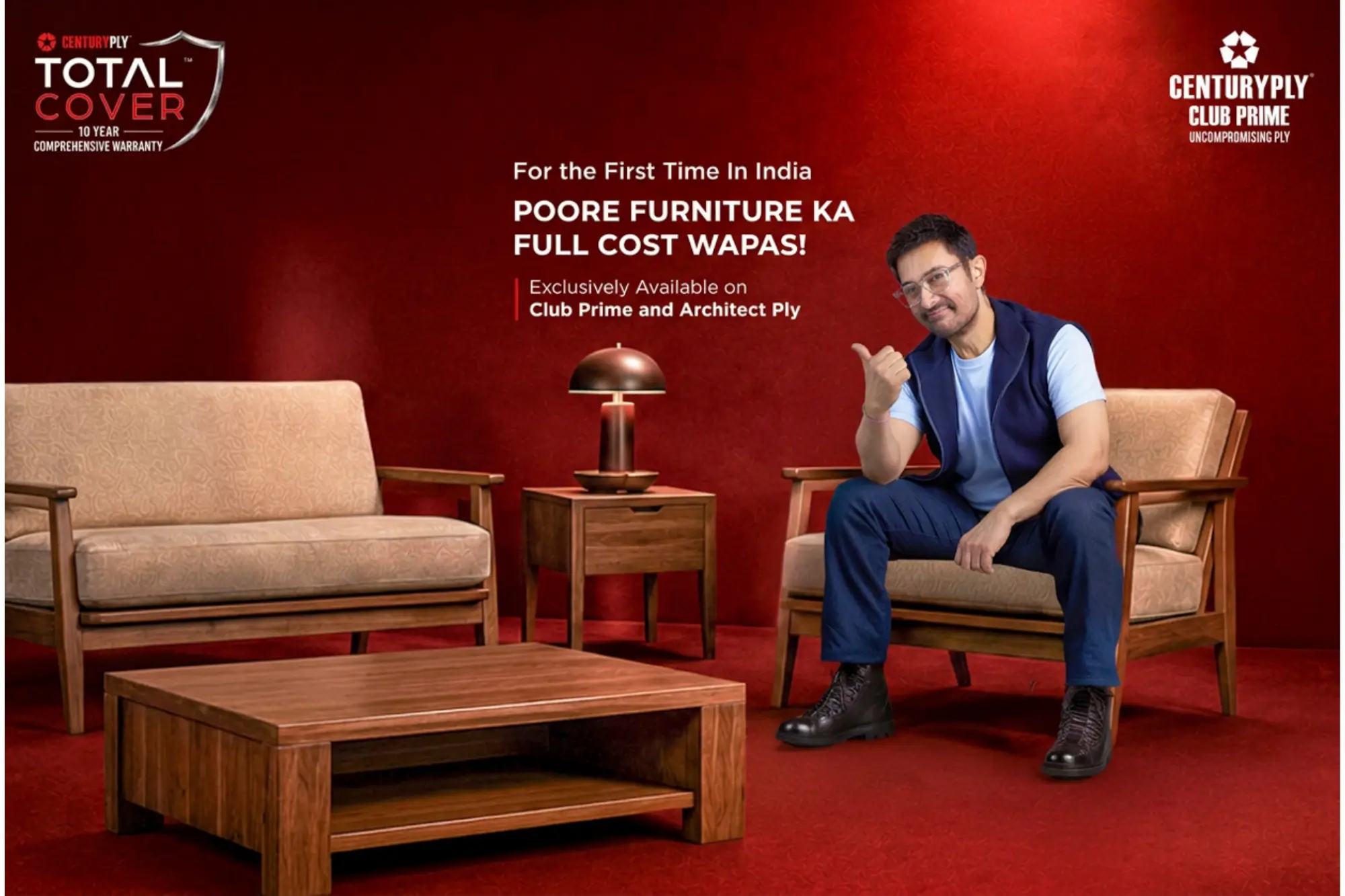
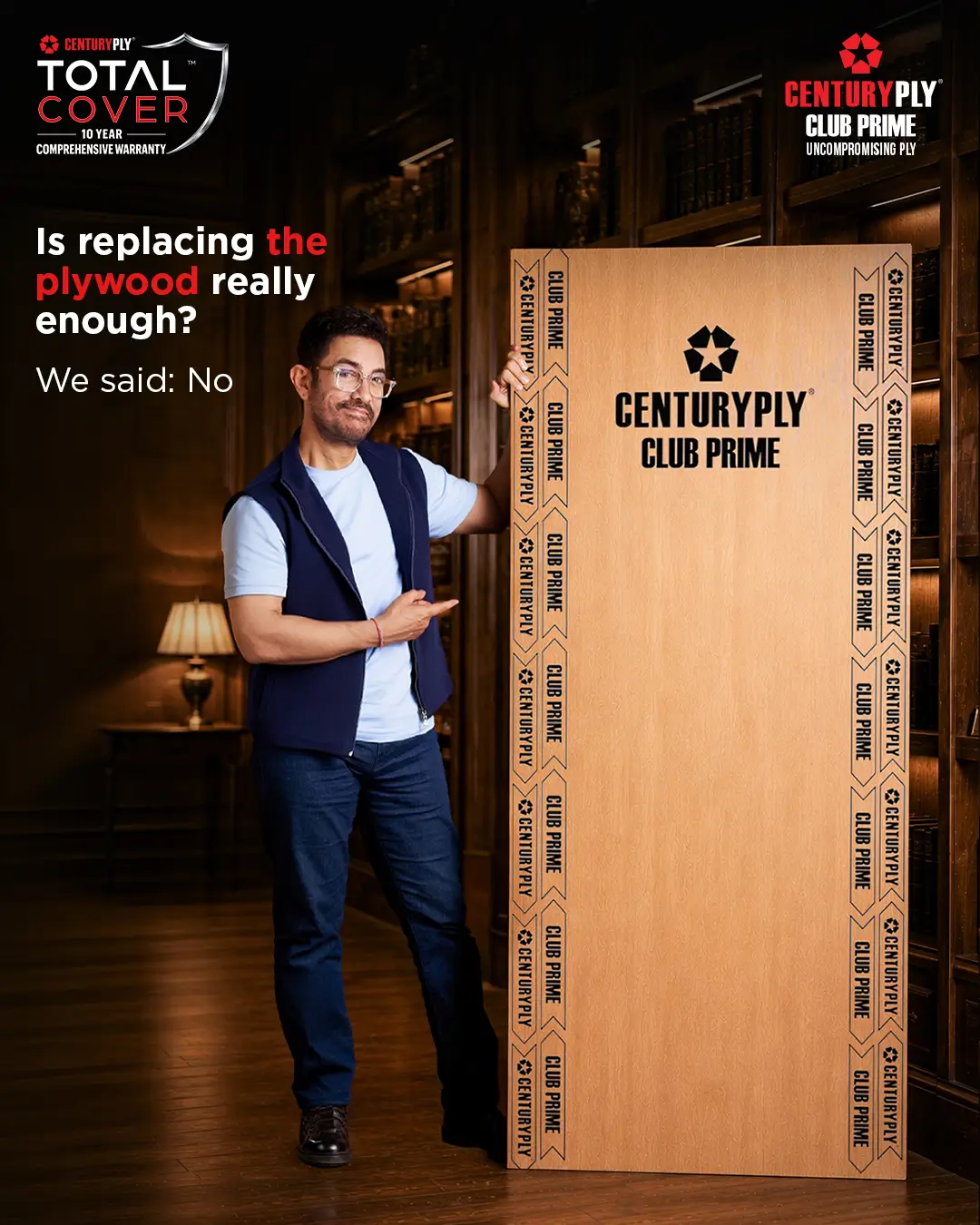
Aamir Khan × CenturyPly: Using Credibility to Reinforce a Brand Promise
When CenturyPly introduced a product backed by its 10-year Total Cover warranty, the proposition went beyond a conventional product warranty. In the event of a covered product defect, the company committed to reimbursing not just the cost of the plywood, but also associated furniture-restoration expenses. These included carpenter and labour charges, laminates, adhesives, veneers, MDF, paint and polish, and transportation to the site.
It was a compelling promise, but one that presented a communication challenge: would consumers believe a proposition that might seem almost too good to be true? The campaign needed to communicate not just the warranty itself, but also the confidence behind it.
Aamir Khan was a strategic fit because of the credibility associated with his public persona and his reputation for being selective about his professional associations. His image of thoughtfulness and conviction complemented the campaign’s central message: that CenturyPly was prepared to stand behind its promise.
The choice was therefore about more than securing a well-known face. It was about finding someone whose public image could help reinforce a commitment that consumers might otherwise question. The celebrity’s role was to lend weight to the message, while the product promise remained at the centre of the communication.
Key Lesson: When a campaign rests on an unusually strong product promise, credibility can matter as much as reach. The right celebrity is one whose public image reinforces the message the brand needs consumers to believe.

Anil Kapoor × Viva ACP : A Personality That Reflects Strength and Longevity
Building material and infrastructure brands often seek ambassadors who can represent durability, performance, and long-term relevance.
Anil Kapoor’s enduring popularity across generations, combined with his image of energy, consistency, and timeless appeal, made him a strong fit for Viva ACP.
The partnership helped position the brand as modern and aspirational while maintaining credibility among a broad consumer base that included architects, designers, channel partners, and end consumers.
Key Lesson: The right celebrity can help a brand communicate both premium positioning and long-term reliability.
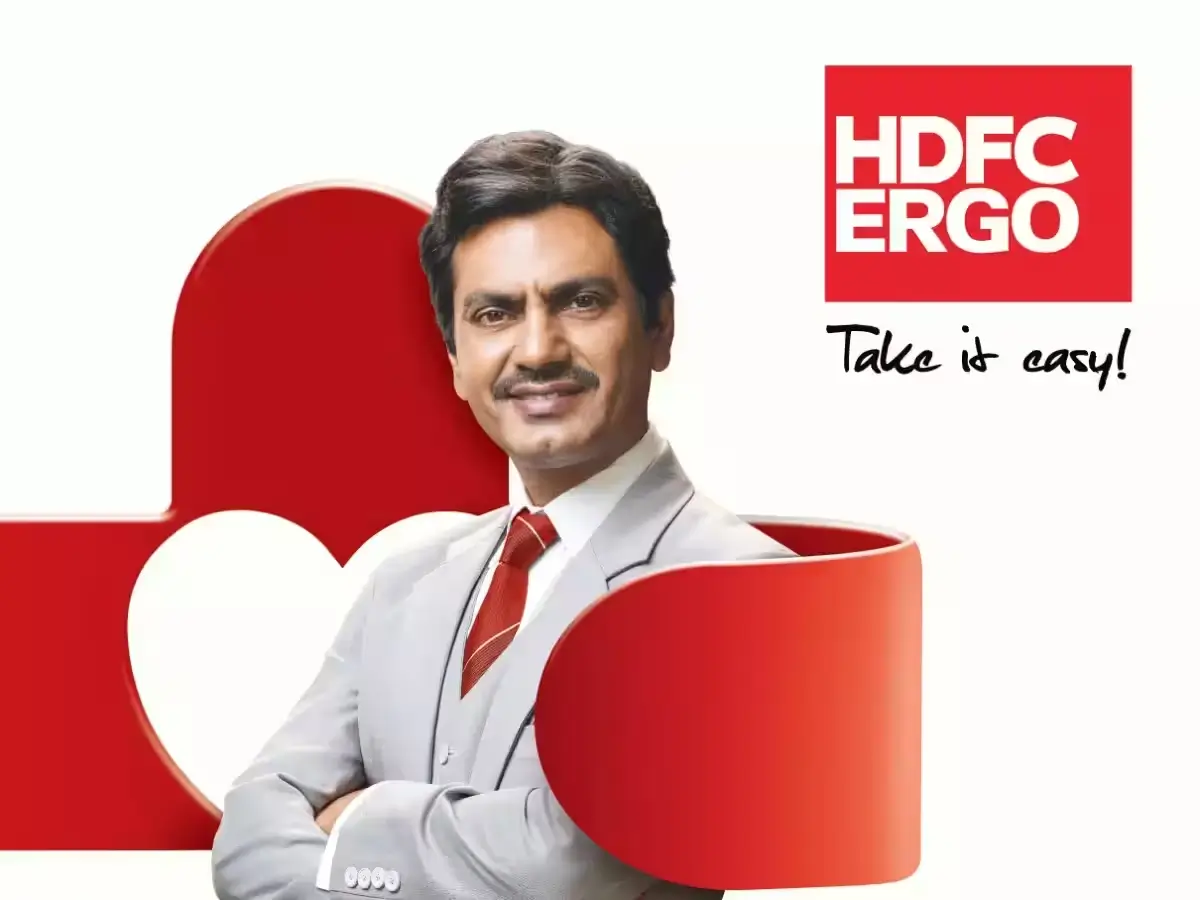
Nawazuddin Siddiqui × HDFC ERGO Health: Relatability in a Trust-Led Category
Following the acquisition of Apollo Munich Health Insurance, HDFC ERGO Health faced the challenge of building familiarity and trust around a newly positioned health insurance brand.
Rather than opting for a conventional superstar, the brand partnered with Nawazuddin Siddiqui, whose public image is rooted in authenticity, perseverance, and relatability.
The endorsement helped communicate trust and accessibility at a time when consumers were evaluating a new brand identity in a category where confidence and reassurance are critical purchase drivers.
Key Lesson: For financial and insurance products, authenticity and trust often matter more than glamour.

Chef Amrita Raichand × Asahi Kasei: Category Expertise Over Celebrity Scale
For Asahi Kasei’s food packaging products, the objective was not mass-market visibility alone but also category relevance and credibility. As a well-known chef and food expert, Amrita Raichand brought practical authority to the conversation around food preservation, kitchen usage, and food safety.
Her endorsement felt authentic because the product category naturally aligned with her area of expertise and day-to-day relevance.
Key Lesson: In specialised categories, subject-matter credibility can be more effective than celebrity fame.
These brand partnerships demonstrate that endorsement strategies need not follow a single formula. Depending on the brand, the objective may be to build familiarity, reinforce trust, communicate versatility or establish product relevance. The celebrity should be selected in the context of that objective.
4. What Brands Should Know Before Signing
Beyond the headline fee and the celebrity’s public profile, a few practical considerations can materially affect the execution of an endorsement.
Understand the complete scope of work. Confirm the number of shoot days, working hours, appearances, social media deliverables, content approvals and media rights included in the agreement. Anything not clearly defined can become a point of negotiation later and potentially an issue to deal with. Alignment between all sides is important before even closing the deal or confirming in principle to reduce the difficulty with negotiations that comes in after principally confirming a celebrity.
Clarify usage rights and restrictions. Specify the territory, media, duration and product categories covered. The agreement should also address what happens when the contract expires.
Factor in production preferences. The availability of a celebrity-approved director, DOP or other key professional may affect production planning, costs and timelines. These requirements are best identified before the campaign is committed to a production schedule.
Understand the working dynamics. Every celebrity has distinct professional preferences, scheduling requirements and approval processes. Availability, creative approvals, travel arrangements and the expectations of the celebrity’s team can all influence execution.
These are not necessarily obstacles, but they are realities that brands should understand early. Clear contractual terms and realistic expectations help minimize last-minute surprises and keep the campaign on track.
5. The Black Hat Perspective: Beyond the Contract
Selecting the right celebrity involves balancing several considerations: the brand’s positioning, the target audience, the campaign objective, the commercial budget and the rights required.
Every celebrity comes with a distinct working style, preferences, expectations and professional requirements. While some associations are relatively straightforward, others may involve complexities that are not immediately apparent during the selection process.
At Black Hat, our approach begins with understanding the brief before identifying suitable talent options. We evaluate the relevance of potential celebrities, help brands assess the commercial scope of an association, coordinate availability checks and negotiations, and clarify the deliverables and contractual terms required for execution.
Drawing on our extensive industry experience and understanding of celebrity working dynamics, Black Hat provides brands with valuable behind-the-scenes insights and practical guidance before they commit to an association. This includes highlighting potential challenges, sensitivities, working preferences and expectations that may vary from celebrity to celebrity.
Our objective is to help brands make well-informed decisions, manage expectations realistically and minimise the risk of operational challenges, misunderstandings or deadlocks at a later stage.
We believe a successful celebrity association begins not just with choosing the right face for the brand, but also with understanding what it takes to work effectively with that celebrity.
Another important consideration is the celebrity approval process. Celebrity endorsement agreements typically require the celebrity’s approval for every image the brand intends to use from a digital shoot, every edited cut of a TV commercial (TVC), and all creative artwork and copy featuring their name or image.
Some celebrities also require post-production work, including retouching and enhancements to their appearance in photographs or TVCs, to be carried out by specific professionals or specialist companies approved by them.
At times, securing these approvals can be challenging, involving unreasonable delays and repeated back-and-forth. A key consideration when selecting an agency to facilitate the endorsement is therefore its ability not only to provide visibility into these behind-the-scenes requirements and potential challenges, but also to proactively manage them and safeguard the brand’s interests.
Planning a Celebrity Brand Endorsement? Connect with us to explore the right fit for your brand.

